




Large-scale entertainment events have become an important part of the modern casino experience. Concerts, comedy performances, celebrity appearances, themed celebrations, and special shows attract visitors who may be interested in more than gaming. Organising these events requires careful planning, financial management, technical preparation, and coordination between several departments. For casino operators, successful Casino Entertainment is not simply about booking a popular performer. It involves creating an experience that meets audience expectations while keeping the entire venue running smoothly.
Understanding Audience Interests Before Planning
The first step is identifying the type of entertainment that will appeal to the target audience. Casino event planners consider visitor demographics, local entertainment preferences, seasonal demand, and previous ticket sales before selecting a performance.
For example, a resort located in a popular tourist destination might organise international music concerts during peak holiday periods. A property with a strong local customer base may choose comedy shows, regional music performances, or cultural celebrations instead.
Audience research helps management estimate attendance and choose an appropriate venue. It also influences ticket pricing, promotional campaigns, and event scheduling.
Budgeting and Coordinating Event Operations
Large entertainment events involve several expenses, including performer fees, production equipment, venue preparation, marketing, security, and employee wages. Casino management teams prepare budgets to estimate these costs and compare them with expected ticket revenue and other business benefits.
A practical example is a casino arranging a weekend concert featuring a well-known singer. The planning team must coordinate the artist’s contract, travel arrangements, accommodation, stage requirements, sound equipment, and rehearsal schedule. At the same time, hotel, restaurant, and customer service departments need to prepare for additional visitors.
Research supports the importance of this connection. A 2010 study published in the International Journal of Hospitality Management examined showroom attendance and restaurant revenue at a Las Vegas hotel casino. Researchers found that each additional show attendee was associated with an estimated US$6.96 increase in daily food and beverage revenue at the property studied. This was a specific research finding, not a universal figure for every casino.
Technology Makes Event Management Easier
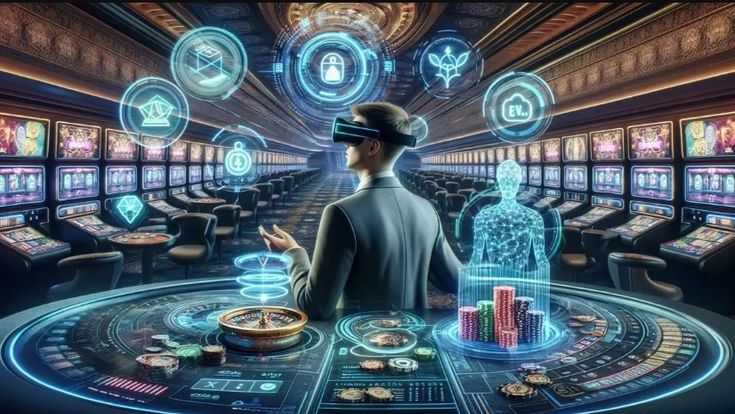
Technology plays an important role in organising large events. Digital ticketing systems help manage bookings, verify entry passes, and reduce manual registration work. Event management software can also help teams monitor attendance, organise schedules, and coordinate different departments.
For instance, when guests purchase concert tickets online, the system can generate digital passes that staff scan at entrance points. This makes it easier to verify tickets and identify available seating.
Lighting controls, sound systems, digital screens, and backstage communication equipment also contribute to the overall event experience. Technical teams usually test these systems before the audience arrives to identify possible problems.
Security and Crowd Management
Large gatherings require careful safety planning. Casinos coordinate security personnel, entrance checks, emergency exits, medical assistance, and crowd movement. Event organisers may also prepare emergency response procedures and assign employees to specific areas.
For example, a concert with several thousand attendees may require separate entry and exit routes to reduce congestion. Clear signs and trained staff help visitors find seating, restrooms, and emergency facilities.
Accessibility is another consideration. Organisers should provide suitable seating arrangements and access routes for guests with disabilities.
Measuring Event Performance
After an event, management reviews ticket sales, attendance, customer feedback, operational costs, and spending across other resort facilities. These figures help determine which event formats are worth repeating.
A 2011 study of two Las Vegas casino showrooms also found that entertainment attendance was associated with increases in gaming volumes, although the estimated financial contribution varied by venue and was not equally significant across every time period.
Conclusion
Casinos organise large-scale entertainment events through audience research, budgeting, technology, staff coordination, and detailed safety planning. Research suggests that successful shows can influence activity beyond the performance venue, including restaurant and hospitality operations. Ultimately, effective Casino Entertainment depends on understanding visitors, managing resources carefully, and delivering a safe and enjoyable experience.