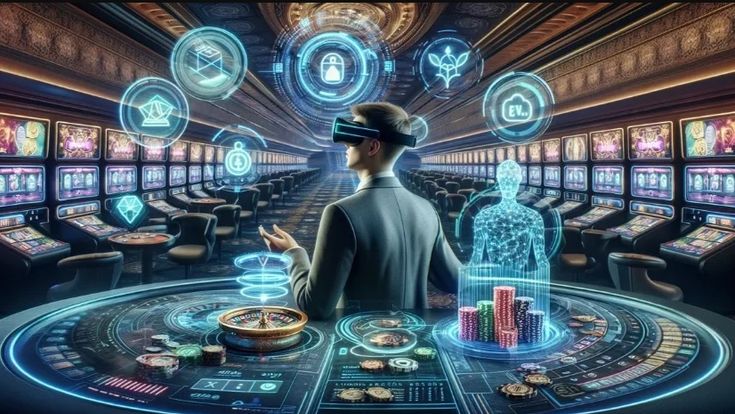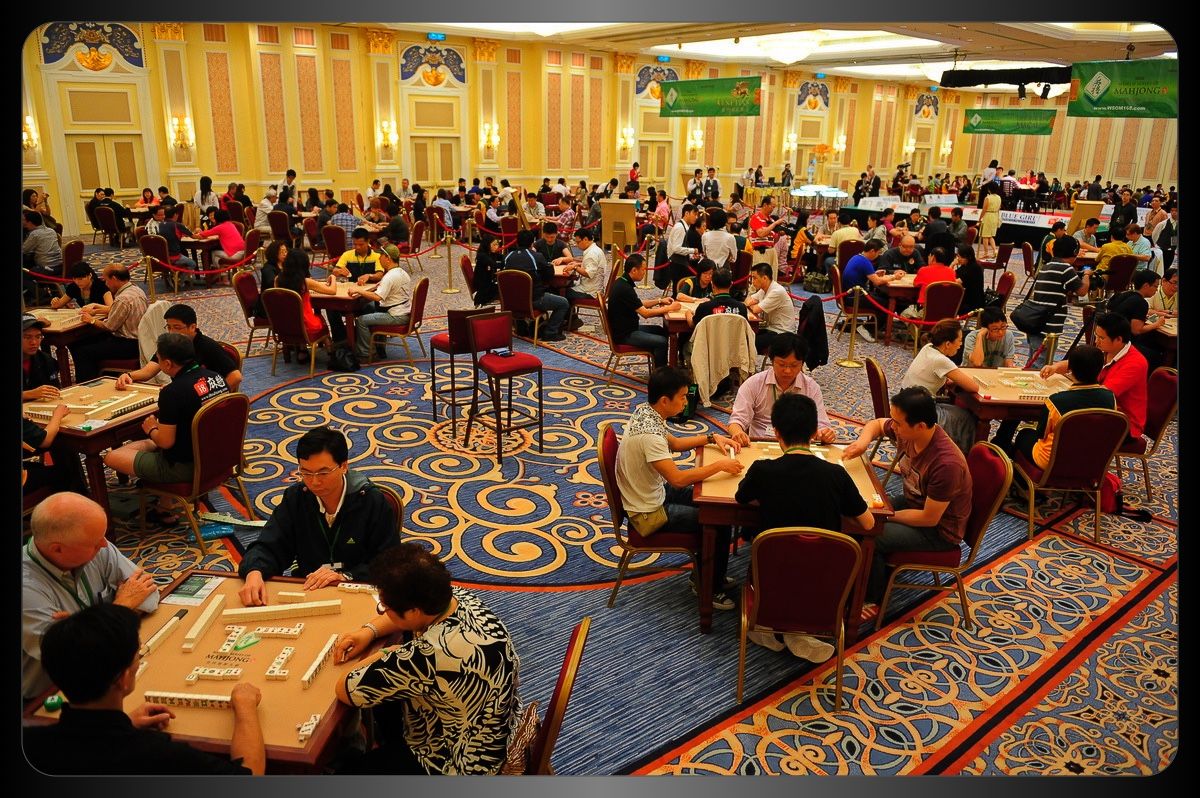




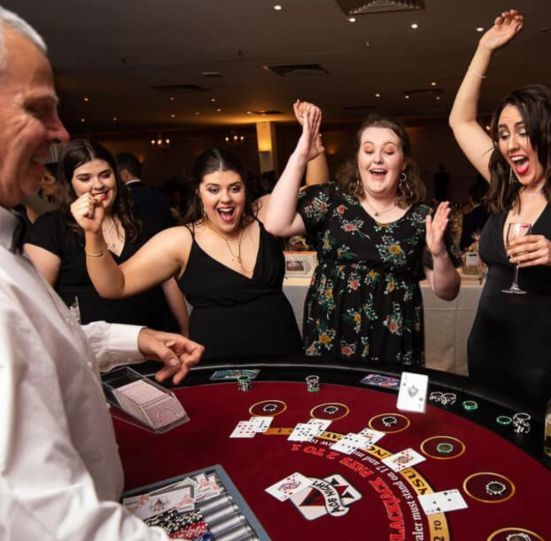
A casino entertainment atmosphere is not created by gambling alone. The experience comes from everything guests see, hear, and feel while they are inside the venue. Lighting, music, interior design, seating, staff presentation, food, drinks, and social spaces all work together to make the place feel lively. Research on casino atmospherics has identified factors such as theme, floor layout, ceiling height, employee uniforms, and noise level as important parts of the overall atmosphere.
Lighting Sets the Mood
Lighting is one of the quickest ways to change how a casino feels. Bright areas can make a space feel open and easier to navigate, while softer lighting can create a more intimate or dramatic setting. Casinos often use decorative lighting, illuminated signs, and changing displays to give the interior visual energy. Research involving casino environments has found that lighting and other décor elements can influence emotional responses, although the effects depend on the overall design rather than one feature working in isolation.
There is also a practical lesson here for anyone designing an entertainment venue: lighting should serve the guest experience, not simply look impressive. Poorly planned lighting can make spaces uncomfortable or difficult to navigate. Research has even found that dim ambient lighting can increase gambling duration and spending in experimental settings, which shows why responsible casino design needs to consider the wider effects of environmental choices.
Music Keeps the Space Feeling Alive
Silence can make a large entertainment venue feel strangely empty. That is why music often plays an important background role in casinos. Casino managers interviewed in research reported using recorded music and live music for different purposes, with background music selected according to factors such as tempo, volume, and genre to help create an appropriate mood. Live music was more commonly positioned away from the gaming floor and connected with non-gambling activities.
The smart approach is to match the soundtrack with the space. A busy lounge may work with energetic music, while a restaurant or quieter social area may need something more relaxed. The goal is not simply to make the venue louder. It is to make the environment feel active without making conversation difficult.
Design Gives the Casino Its Personality
Walk into two casinos and they can feel completely different even if they offer similar games. One might use a modern luxury look, while another could rely on a dramatic theme, distinctive colors, unusual architecture, or comfortable social areas. Research comparing casino designs found that more spacious, visually pleasing environments received higher ratings for pleasure and restoration than designs dominated by crowded gaming areas.
That is why good casino design is about more than decorating a gaming floor. The layout needs to give guests places to move, sit, eat, talk, and take a break. A casino that feels like one giant room full of machines can become tiring. Breaking the environment into different experiences makes the visit feel more like entertainment and less like simply standing in front of a gaming screen.
Non-Gaming Entertainment Adds More Reasons to Stay
Modern casino entertainment can extend well beyond the gaming floor. Restaurants, lounges, bars, music, comedy, performances, shopping areas, and other hospitality experiences can give visitors reasons to spend time at the venue without gambling. This is especially useful for groups where not everyone wants the same experience.
The practical takeaway is simple: a strong casino atmosphere is built around the whole guest journey. Lighting catches attention, music creates energy, design establishes identity, and hospitality gives people comfortable reasons to explore the venue. When these elements work together, the casino becomes an entertainment environment rather than just a place where games happen.