



Casino entertainment is changing. The modern casino is no longer built around gambling alone. People increasingly expect an experience that combines gaming with technology, social interaction, food, music, hospitality, and digital entertainment. The big question is what comes next.
More Immersive Experiences
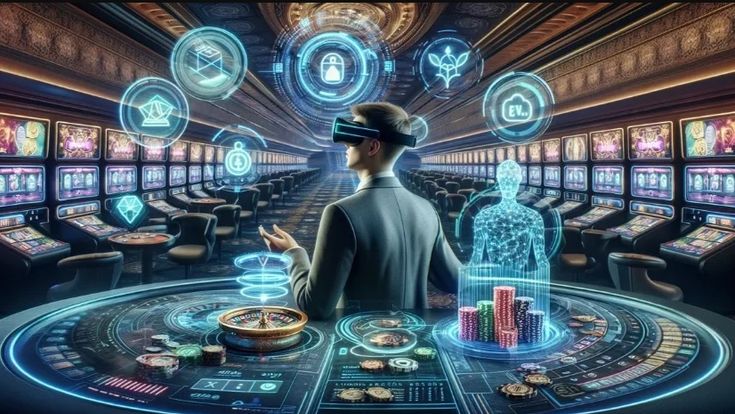
One major shift will be toward entertainment that feels more interactive. Virtual reality, augmented reality, large digital displays, and interactive environments can give visitors something to do beyond sitting at a traditional table. The wider entertainment industry is already moving in this direction. PwC’s 2026 Global Entertainment & Media Outlook says global entertainment and media revenue is expected to reach $4.2 trillion by 2030, with technology and immersive experiences playing an important role.
For casinos, this could mean digital gaming zones, interactive shows, immersive visual experiences, and technology-driven attractions that make a venue feel more like an entertainment destination.
Live Entertainment Will Stay Important
Technology may be growing quickly, but it will not replace the appeal of being in a room with other people. Concerts, comedy, performances, lounges, restaurants, and social spaces can give visitors reasons to stay longer and return even when they are not interested in gambling.
This matters because people increasingly value experiences they can share. PwC found that non-digital entertainment, including live music, cinema, and events, accounted for 61% of consumer entertainment revenue in 2024.
The practical lesson for casino operators is simple: digital features should add to the atmosphere, not remove the human element.
Personalization Could Become the New Normal
Future casino entertainment is also likely to become more personalized. Instead of offering exactly the same experience to everyone, technology can help venues understand what different visitors enjoy. Someone interested in live music may receive information about performances, while another visitor may be more interested in restaurants, lounges, or interactive attractions.
AI is helping entertainment companies move toward this type of personalized experience. PwC expects AI-driven digital ecosystems to become an increasingly important force across entertainment through 2030.
The useful takeaway is that personalization should feel helpful rather than intrusive. Visitors should have control over what information they receive and how their data is used.
Gaming and Entertainment Will Overlap
Video gaming is another area that could influence casino entertainment. PwC projects the global video game market to reach around $300 billion by 2029, showing how mainstream interactive entertainment has become.
Casinos can borrow ideas from gaming culture through interactive challenges, digital competitions, social gaming areas, and visually engaging experiences. The goal is not necessarily to turn every casino into a video-game center. It is about understanding why younger audiences enjoy interactive entertainment and bringing some of those qualities into physical venues.
The Casino Could Become a Complete Entertainment Destination
The future may be less about asking, “What game are you playing?” and more about asking, “What experience do you want tonight?” A visitor might eat at a restaurant, watch a performance, spend time in an interactive entertainment area, visit a lounge, and explore gaming options during the same trip.
That broader approach could make casino entertainment more attractive to different audiences. The casinos that succeed will likely be those that balance technology with genuine human experiences, giving visitors more reasons to come for the atmosphere, not just the gambling.