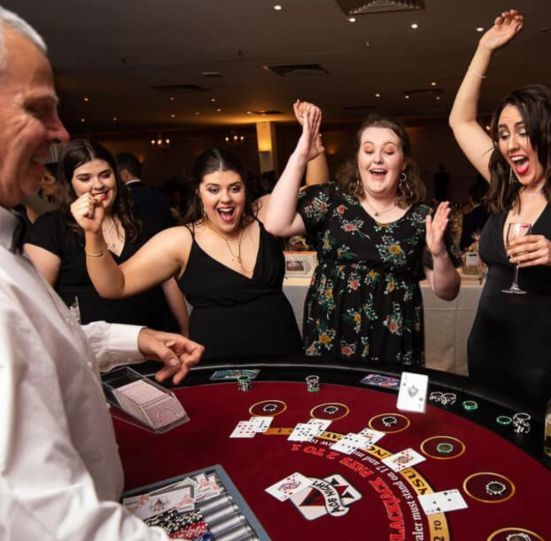




Casino entertainment is much bigger than what happens at gaming tables. Modern casino properties increasingly combine gaming with live shows, restaurants, nightlife, attractions, shopping, and other experiences. The numbers behind the industry show why entertainment has become such an important part of the casino business.
Casinos Are Attracting People for More Than Gambling
One useful statistic comes from the American Gaming Association, which says 102 million American adults visited a casino for gambling or other purposes in the past year. That wording matters because casino properties now appeal to people who may not spend their entire visit playing casino games. Some come for restaurants, concerts, shows, social experiences, or simply the atmosphere.
For visitors, this means a casino can work more like a complete entertainment destination. If you are planning a visit, it makes sense to check the property’s entertainment schedule, dining options, and other attractions rather than looking only at the gaming floor.
Non-Gaming Revenue Shows the Bigger Picture
Financial reports from major casino companies demonstrate how significant non-gaming activities can become. Wynn Resorts reported $2.73 billion in non-casino revenue during 2025, including rooms, food and beverage, entertainment, retail, and other activities. That represented 38.2% of its total operating revenue.
That does not mean entertainment alone generated 38.2%, because the figure combines several non-casino categories. Still, it shows that a major casino operator is not relying exclusively on gaming revenue. For visitors, this is useful context: the modern casino experience is often designed around keeping guests engaged across several activities.
Entertainment Spending Can Change With Visitor Habits
Las Vegas provides a useful real-world example of changing entertainment behavior. Recent visitor data reported by iGamingBusiness found that spending on sporting events, entertainment, and paid attractions increased in 2025, while average spending on dining and shopping declined.
The practical lesson is simple: entertainment preferences are not fixed. Visitors may change how they spend depending on the shows, attractions, sports, concerts, and experiences available during their trip. Someone planning a casino vacation should therefore compare the complete entertainment offering, not simply the casino itself.
The Casino Market Continues to Grow
The wider U.S. gaming industry also provides useful context. According to the American Gaming Association, commercial gaming revenue reached $78.62 billion in 2025, up 9.1% from 2024. Traditional casino gaming remained a major part of that market, while sports betting and iGaming also contributed to overall growth.
These figures measure gaming revenue rather than entertainment revenue, so they should not be interpreted as proof that entertainment generated the industry’s growth. What they do show is the enormous scale of the casino and gaming market in which entertainment businesses operate.
What These Numbers Mean for Visitors
The statistics point to one straightforward trend: casinos are increasingly built around the idea of an overall entertainment experience. Gaming may remain the core attraction, but restaurants, performances, nightlife, sports, shopping, and other activities can shape how people spend their time.
For visitors, the smart approach is to decide what kind of experience they actually want before arriving. Check entertainment schedules, compare ticket prices, look at dining options, and set a spending limit for the entire trip. That way, the casino becomes one part of the experience rather than the only thing determining how your money and time are spent.